
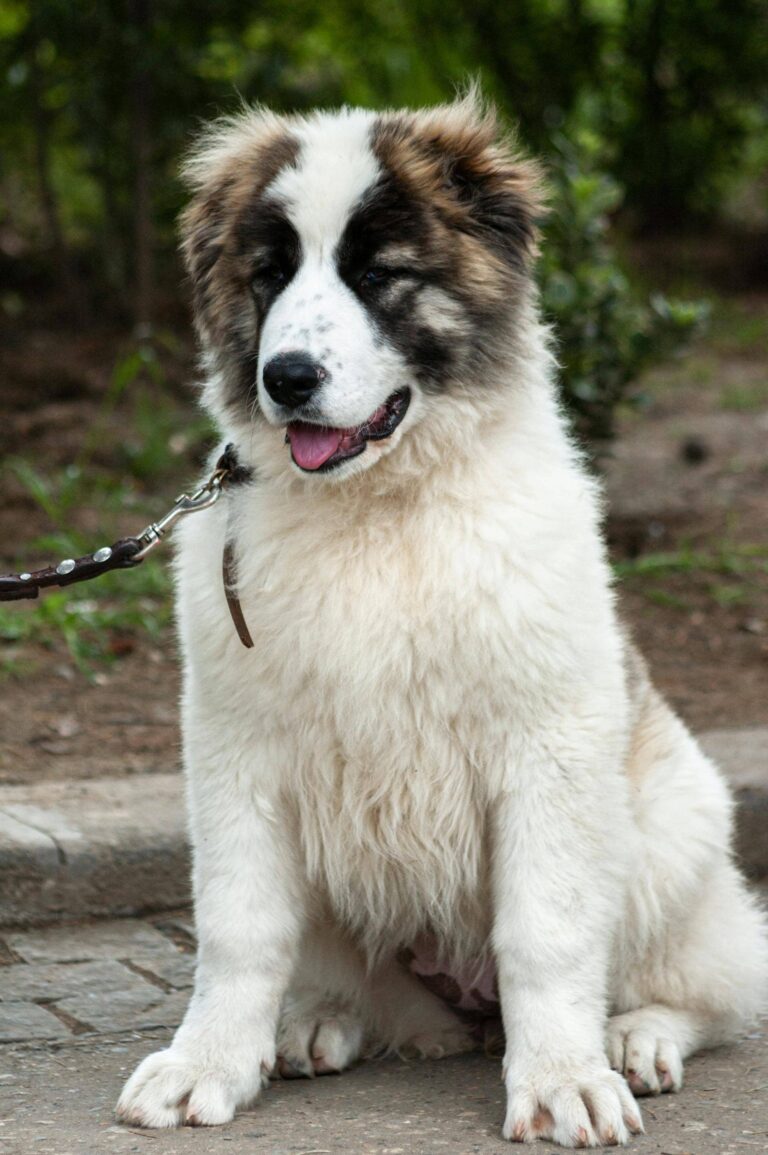
Bans and restrictions related to the Caucasian Shepherd Dog are typically the result of regional policies addressing large or guarding dog breeds rather than the breed itself. These measures vary widely across countries and municipalities and are often shaped by public safety concerns, perception, and regulatory frameworks.
This page explains how bans and restrictions affecting the Caucasian Shepherd Dog are applied, why they exist, and how they differ depending on location.
Restrictions affecting the Caucasian Shepherd Dog are not universal and depend on regional regulations, breed-specific policies, and local interpretations of ownership risk rather than a single global standard.
Understanding Breed-Related Restrictions
Restrictions on dog ownership often extend beyond individual behavior.
Many regulations group dogs based on size, appearance, or perceived function, which can include livestock guardian breeds even when no breed-specific incidents are documented.
Types of Restrictions That May Apply
Restrictions vary in scope and enforcement.
They can include limits on where a dog may be kept, requirements for containment, or conditions placed on ownership rather than outright bans.
Regional and Municipal Authority
Most restrictions are enforced at the local level.
Municipal governments may impose rules that differ from national law, creating variation even within the same country or region.
Distinction Between Bans and Conditions
Not all restrictions involve prohibition.
Some regions impose conditions such as mandatory registration, insurance, or containment standards rather than banning ownership entirely.
Role of Public Perception
Public perception plays a significant role in regulatory decisions.
Large size, guarding instincts, and media portrayal can influence whether a breed is included in restrictive policies, regardless of actual behavior trends.
Interpretation and Enforcement Differences
Regulatory language is not always explicit.
In some areas, enforcement depends on how authorities interpret breed descriptions, physical traits, or functional classification, which can lead to inconsistent application.
Changes Over Time
Restrictions are not static.
Laws and regulations may change as policies evolve, public attitudes shift, or new frameworks replace breed-based approaches.
Relationship Between Restrictions and Breed Purpose
The breed’s working background influences how it is categorized.
Dogs developed for territorial protection are sometimes grouped with other guardian or security-oriented breeds when restrictions are designed.
Understanding bans and restrictions is easier when considered alongside the breed’s size, temperament, and historical role, which are explained in the main Caucasian Shepherd Dog overview page.