
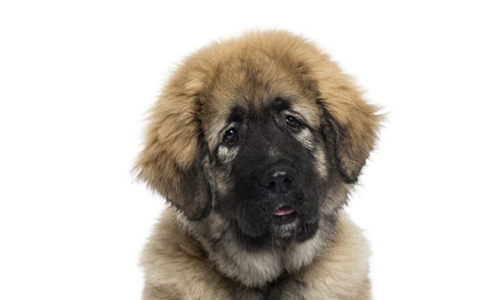
The Caucasian Shepherd Dog is a large livestock guardian breed developed in the Caucasus region to protect livestock, property, and human settlements in harsh and remote environments. Known for its strength, territorial awareness, and independence, the breed was shaped by functional necessity rather than companionship or obedience-based work.
Unlike many modern dog breeds, the Caucasian Shepherd Dog was not created to work under constant human direction. Instead, it evolved to make decisions independently, relying on physical presence, endurance, and environmental judgment to deter threats.
The Caucasian Shepherd Dog, also known as Georgian Shepherd, or the Caucasian Ovcharka, is a large sheep guardian breed developed to protect animals, land, and human settlements rather than to perform obedience-based tasks. The breed’s behavior, size, and temperament reflect this guardian role rather than modern companion-dog expectations.
The Caucasian Shepherd Dog is a livestock guardian breed developed for independent territorial protection. Its size, temperament, and behavior reflect centuries of functional selection rather than modern companion breeding.
Origin and Historical Background
The breed originated in the Caucasus, a mountainous region characterized by extreme weather, rugged terrain, and isolated pastoral communities. Livestock protection was essential for survival, and dogs capable of confronting predators without supervision were highly valued.
Over generations, functional selection favored dogs with strength, resilience, and reliable guarding instincts. This process resulted in a powerful guardian breed adapted to long-term outdoor living and autonomous work.
Learn more about the breed’s background on the Origin and History of the Caucasian Shepherd Dog.
Physical Characteristics
The Caucasian Shepherd Dog is classified as a large to giant breed with heavy bone structure, strong musculature, and a dense double coat. Physical traits developed to support deterrence and stability rather than speed or agility.
A broad head, thick neck, and imposing frame contribute to the breed’s ability to discourage threats without constant physical confrontation.
Detailed physical traits are explained on the Characteristics of the Caucasian Shepherd Dog page.
Size and Weight
Large size is a functional trait that supports the breed’s guarding role. Height and body mass increase visual deterrence and reduce the likelihood of escalation during territorial encounters.
Growth is slow and extended, with full physical maturity occurring later than in many breeds. This gradual development supports skeletal strength and long-term durability.
Full size details are covered on the Size and Weight of the Caucasian Shepherd Dog page
Temperament and Behavior
Temperament is directly tied to working purpose. The Caucasian Shepherd Dog is independent, vigilant, and highly territorial. Rather than seeking constant interaction, the breed evaluates situations based on context and perceived responsibility.
Behavior toward familiar individuals differs significantly from responses to unfamiliar presence, reflecting defensive guarding rather than generalized aggression.
Many people describe the Caucasian Shepherd Dog as aggressive, but this perception usually comes from its visible guarding behaviors. The breed relies on deterrence, territorial awareness, and warning signals rather than immediate physical confrontation, which often leads to misinterpretation of its intent.
Behavioral traits are explored in depth on the Temperament and Behavior of the Caucasian Shepherd Dog page.
Working Purpose
The primary working role of the Caucasian Shepherd Dog is livestock and territorial protection. The breed historically lived among livestock or within defined property boundaries, operating with minimal human involvement.
Deterrence, endurance, and sustained vigilance were prioritized over obedience or task repetition, shaping the breed’s modern behavior.
The functional role is explained on the Working Purpose of the Caucasian Shepherd Dog page.
Health and Lifespan
Health characteristics reflect the breed’s size and working background. Like many large guardian breeds, longevity and physical resilience are influenced by body mass, genetics, and long-term physical demands.
Understanding health requires considering size-related factors rather than isolated conditions.
Health topics are detailed on the Health and Lifespan of the Caucasian Shepherd Dog page.
Living Environment and Care
The Caucasian Shepherd Dog developed for open environments and territorial responsibility. Modern living conditions can influence how instincts are expressed, particularly in confined or highly populated settings.
Care considerations include diet, exercise, grooming, and climate adaptation, all of which relate to the breed’s physical structure and working history.
Although the Caucasian Shepherd Dog is not highly active indoors, apartment living is usually unsuitable due to constant environmental stimulation and limited territorial clarity. Calm behavior inside an apartment does not necessarily indicate comfort, but often reflects suppressed vigilance.
→ Learn more on:
- Feeding and Diet of the Caucasian Shepherd Dog
- Exercise Needs of the Caucasian Shepherd Dog
- Apartment Living and the Caucasian Shepherd Dog
- Grooming the Caucasian Shepherd Dog
- Climate Adaptation of the Caucasian Shepherd Dog
Family, Children, and Other Pets
Household compatibility depends on structure, environment, and expectations rather than sociability alone. The breed’s protective orientation influences how it interacts with family members, children, and other animals.
The Caucasian Shepherd Dog does not approach family life as a social companion, but as a protector of the household unit. This difference explains why the breed may appear distant or reserved while still maintaining strong attachment through responsibility rather than interaction.
→ Related pages:
- Family Compatibility of the Caucasian Shepherd Dog
- Caucasian Shepherd Dog With Children
- Caucasian Shepherd Dog and Other Pets
Training and Handling Expectations
Training differs from obedience-focused breeds. The Caucasian Shepherd Dog responds best to environmental structure and consistency rather than repetitive command-based training.
Training challenges with the Caucasian Shepherd Dog are often mistaken for low intelligence or stubbornness. In reality, the breed evaluates commands based on environmental relevance, which reflects its development as an independent guardian rather than a handler-focused working dog.
Learn more on the Training Difficulty of the Caucasian Shepherd Dog page.
Legal Status, Safety, and Public Perception
Due to size and guarding reputation, the breed is sometimes subject to legal scrutiny and public misunderstanding. Laws and restrictions vary by region and are often influenced by perception rather than breed-specific behavior.
→ Learn more on:
- Is the Caucasian Shepherd Dog Dangerous?
- Is the Caucasian Shepherd Dog Legal?
- Caucasian Shepherd Dog Ban and Restrictions
- Misconceptions About the Caucasian Shepherd Dog
Related Breeds and Comparisons
The Caucasian Shepherd Dog is often compared to other livestock guardian breeds due to shared functional traits.
→ Comparison pages:
- Similar Breeds to the Caucasian Shepherd Dog
- Caucasian Shepherd Dog vs Kangal
- Caucasian Shepherd Dog vs Alabai
- Caucasian Shepherd Dog vs Tibetan Mastiff
The Caucasian Shepherd Dog is generally unsuitable for first-time owners because its size, independence, and guarding instincts require confident handling and realistic expectations. Experience with large or guardian breeds significantly improves ownership outcomes.
This site exists to provide accurate, structured, and educational information about the Caucasian Shepherd Dog. The goal is not promotion, but understanding – presenting the breed within its proper historical, functional, and environmental context.