
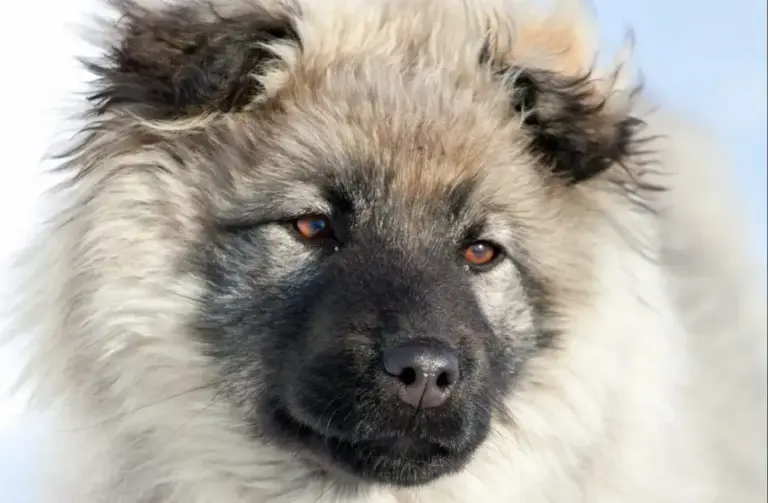
Grooming the Caucasian Shepherd Dog is less about appearance and more about maintaining coat function, skin health, and comfort. The breed’s grooming needs reflect its development as an outdoor livestock guardian rather than a cosmetically maintained companion dog.
Understanding grooming requirements requires focusing on coat structure, seasonal changes, and environmental exposure rather than frequent washing or styling.
The Caucasian Shepherd Dog requires functional grooming focused on coat health and seasonal maintenance rather than frequent cosmetic care.
Coat Structure and Purpose
The double coat of the Caucasian Shepherd Dog functions as protection rather than decoration. Its structure is designed to regulate temperature, repel moisture, and shield the skin from environmental contact, which is why maintaining coat integrity is more important than cosmetic trimming.
The breed has a dense double coat.
A coarse outer layer protects against moisture, debris, and physical contact, while a thick undercoat provides insulation. This structure supports year-round outdoor living and should not be altered unnecessarily.
Preserving coat integrity is more important than achieving a polished appearance.
Brushing and Routine Maintenance
Brushing requirements depend more on coat density and environment than on calendar schedules. Regular brushing supports airflow through the coat and reduces matting, but excessive brushing outside shedding periods is unnecessary and does not improve coat health.
Regular brushing supports natural coat function.
Brushing helps remove loose hair, prevents matting, and allows airflow through the coat. Routine maintenance is typically sufficient outside of shedding periods.
Frequency depends on coat length and environment rather than a fixed schedule.
Seasonal Shedding Cycles
Heavy shedding typically occurs during seasonal coat transitions rather than continuously throughout the year. These periods, often referred to as “blowing coat,” are normal and indicate healthy adaptation to temperature changes.
Shedding is primarily seasonal.
During coat transitions, large amounts of undercoat are released. Increased brushing during these periods helps regulate temperature and reduces accumulation of loose hair.
Shedding is a natural process, not a grooming failure.
Bathing Frequency and Considerations
Frequent bathing is not necessary for this breed and can be counterproductive. Natural oils within the coat provide protection and insulation, and excessive washing may strip these oils, reducing the coat’s effectiveness against environmental exposure.
Bathing is infrequent.
The coat naturally repels dirt and odor. Excessive bathing can strip protective oils and reduce the coat’s effectiveness against environmental exposure.
Bathing is best reserved for heavy soiling rather than routine maintenance.
Skin Health and Environmental Exposure
Skin condition is closely linked to living environment. Outdoor access and natural climate exposure support healthy oil balance, while overly dry indoor conditions may affect skin and coat quality over time.
Skin health is closely tied to environment.
Outdoor exposure supports natural oil balance, while overly dry or humid indoor conditions may affect coat quality. Grooming should accommodate environmental factors rather than counteract them.
Observation matters more than intervention.
Grooming and Climate Interaction
Climate influences grooming needs.
Cold or variable climates align naturally with the breed’s coat, while warmer regions may require closer monitoring during seasonal shedding. Coat trimming is generally unnecessary and may be counterproductive.
Natural adaptation should be respected.
Grooming Challenges in Modern Settings
Modern indoor living increases visible hair accumulation but does not change the breed’s fundamental grooming needs. Increased brushing in indoor environments is a management adjustment rather than a reflection of higher grooming requirements.
Modern living environments can change grooming demands.
Indoor living increases hair accumulation and may require more frequent brushing. These changes reflect environment rather than altered grooming needs.
Management adjusts to setting, not breed design.
Common Grooming Misinterpretations
Shedding and dense coat are often mistaken for grooming problems. In reality, these traits reflect functional adaptation, and attempts to reduce them through trimming or over-grooming can interfere with natural coat performance.
Heavy shedding is often misunderstood.
Shedding reflects healthy coat cycles rather than neglect. Attempting to eliminate shedding through excessive grooming can harm coat structure.
Understanding function prevents over-grooming.
Grooming becomes straightforward when the breed is treated as a working guardian rather than a decorative companion. This approach aligns with the broader characteristics of the Caucasian Shepherd Dog where practicality and resilience guide care decisions.