
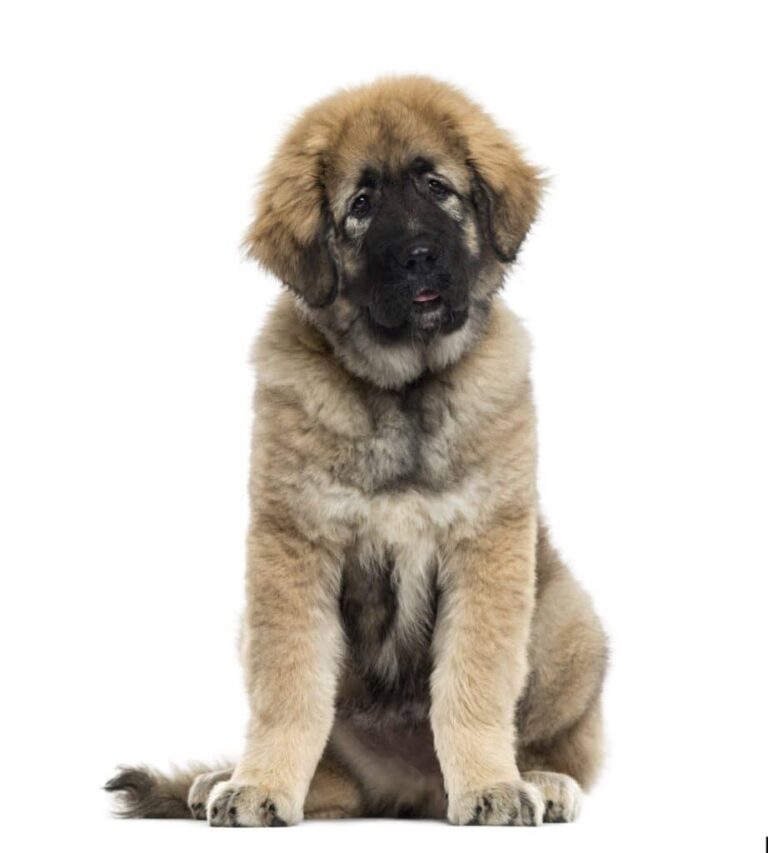
Questions about the legality of owning a Caucasian Shepherd Dog often arise due to the breed’s size, guarding reputation, and public perception. Legal status is not universal and varies depending on country, region, and local regulations rather than breed characteristics alone.
This page explains how legality is determined for the Caucasian Shepherd Dog and why ownership laws differ across locations.
The Caucasian Shepherd Dog is legal to own in many regions, but its legal status depends on local laws, breed-specific legislation, and ownership regulations rather than a single global rule.
How Dog Ownership Laws Are Determined
Dog ownership laws are typically established at regional or municipal levels.
Regulations may be influenced by public safety concerns, historical incidents, or general policies toward large or guarding breeds rather than the specific behavior of an individual dog.
Breed-Specific Legislation Context
Some regions apply breed-specific legislation to certain dogs.
These laws may restrict or regulate ownership based on breed appearance, size, or reputation, even when individual behavior varies significantly.
Variation by Country and Region
Legal status differs widely across jurisdictions.
In some countries, the Caucasian Shepherd Dog is not subject to specific restrictions, while in others it may fall under broader regulations applied to large or guarding breeds.
Ownership Conditions and Requirements
Where ownership is permitted, conditions may apply.
These can include registration requirements, containment standards, or liability considerations designed to address perceived risk rather than breed-specific behavior.
Influence of Public Perception on Legal Status
Public perception often influences regulation.
Large size, guarding instincts, and media portrayal can contribute to increased scrutiny, even when a breed is not widely owned or involved in documented incidents.
Legal Ambiguity and Interpretation
In some areas, laws may not explicitly name the breed.
Instead, classification may depend on physical characteristics or local interpretation, leading to uncertainty about whether regulations apply.
Importance of Local Verification
Legal status cannot be assumed based on general information.
Ownership legality depends on local statutes and enforcement practices, which may change over time or differ between neighboring jurisdictions.
Relationship Between Legality and Breed Purpose
The breed’s working background influences how it is perceived by regulators.
Dogs developed for territorial protection are sometimes grouped with other guardian breeds when laws are drafted, regardless of individual temperament.
Understanding legal considerations is easier when viewed alongside the breed’s temperament, size, and working history, which are explained in the main Caucasian Shepherd Dog overview page.