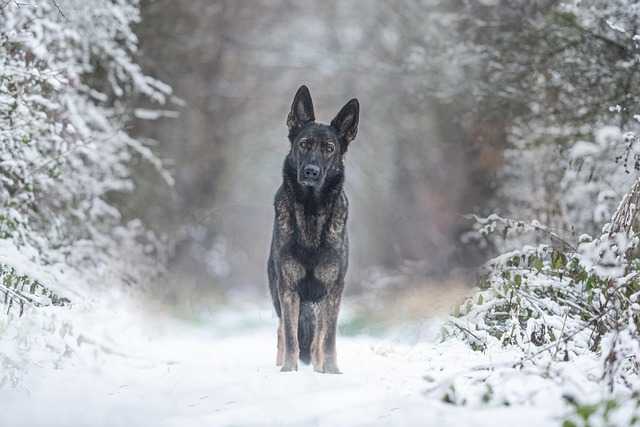

Mountain sentinels, unlike regular pets, require a specialized diet due to their size and rapid growth rate. It is crucial to provide them with a balanced diet to ensure their long-term health and structural strength.
During the early stages of development, it is important to carefully control the caloric intake of these large animals. Overfeeding can accelerate growth, leading to strain on developing joints and potential orthopaedic issues later in life.
A diet tailored for large breeds, with specific amounts of calcium, phosphorus, and other nutrients, is essential for their growth and development. It is important to focus on slow and steady weight gain rather than rapid growth.
As mountain sentinels age, their nutritional needs change to prevent obesity and maintain muscle mass. Despite their size and slow metabolism, they require fewer calories per pound than one might expect.
Feeding them two small, protein-rich meals throughout the day can help prevent gastric dilatation, a life-threatening condition, especially for those with deep chests.
High-quality proteins are crucial for maintaining muscle mass and strength in these animals. Omega fatty acids are also important for their double coat and joint health.
Providing clean, fresh water is vital, particularly in hot weather due to their thick fur, which can lead to overheating.
Regular monitoring of weight and body condition scoring is essential for responsible pet owners. Ribs should be felt but not seen, and a visible waistline from above is ideal.
Treats should be given sparingly and considered in their daily caloric intake to prevent weight gain and stomach discomfort. Following a customized diet plan can enhance their health and longevity.
Ultimately, maintaining a healthy weight is crucial for the well-being of mountain sentinels.
Continue exploring: Access Complete Article